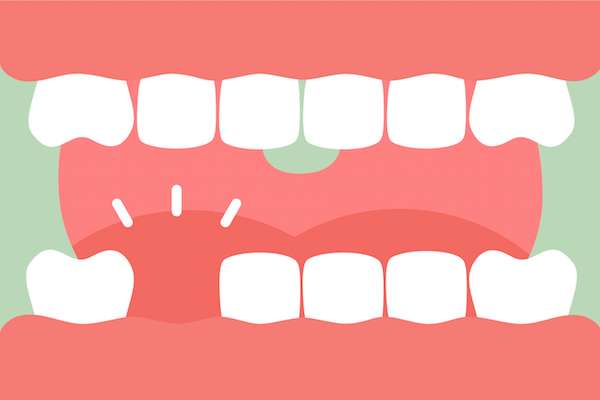
Tooth extractions are some of the most common procedures that a performs. In fact, the American Dental Association includes extractions on its list of most frequently reported dental procedures. Because many patients undergo this treatment, it is important to understand when it is needed. Because patients should play a key role in their own dental health, the dentist and patient should always have a clear discussion about available options before choosing any treatment. In this way, the patient can feel confident about seeking necessary care.
3 times a family dentist recommends extracting a tooth
A family dentist typically recommends pulling a tooth when it is deemed nonrestorable, causing obvious infection, or causing an alignment problem.
1. Severe decay
When a cavity gets so large that it can no longer be restored, an extraction is the only option. In some cases, the tooth may be badly broken, and often, only the root tips are left. A family dentist recommends removing teeth in this condition because they are simply sources for infection to take hold. There are a number of restorative options available for missing teeth, and the patient can discuss these with the dentist before extraction. A severely decayed tooth is usually unsightly, so patients are often eager to have it removed and replaced.
2. Infection
Although dental infections are somewhat common, these can be quite dangerous if left untreated. If a family dentist detects a badly infected tooth, they may recommend an extraction. Dental infections are often detected by an X-ray. The patient usually presents with a toothache, but sometimes, the infection causes no symptoms at all. The infection can drain into the mouth, and many patients report a foul taste. An infection may arise from a decayed tooth, or it can happen after some type of trauma to the area. Antibiotics may be prescribed before extraction to reduce the amount of infection, but this is left to the dentist's discretion.
3. Crowding
Patients who are interested in orthodontics may need some extractions if the teeth are too crowded. The first premolars are the most common teeth to be removed for orthodontic treatment. These extractions are sometimes required for both traditional braces or clear aligner therapy. Patients should discuss the benefits of extractions for straighter teeth but should also know what the results will be like if certain teeth are not extracted. In some cases, adolescents may have retained baby teeth. These must be removed before or during orthodontic therapy to allow the permanent teeth to erupt correctly.
Conclusion
Every patient is unique, and a family dentist may recommend extractions for many reasons. The important thing is that patients understand why pulling a tooth is necessary and what care will be needed after the procedure. Patients concerned about oral health should visit a dentist for a comprehensive treatment plan. Dedication to good oral health is an important step in overall health.
or call Smile at Coconut Grove at 305-423-4661 for an appointment in our Coconut Grove office.
Related Posts
A family dentist plays a key role in helping individuals of all ages maintain strong, healthy smiles. Routine visits, preventive care, and personalized guidance all contribute to maintaining long-term oral health. While regular dental appointments are important, consistent habits at home also make a significant difference. These five oral health tips from a family dentist…
Choosing a family dentist can offer numerous benefits for households with members of different age groups. These dental professionals provide comprehensive dental care for children, adolescents, adults, and seniors. They offer a variety of services that ensure convenience, consistency, and high-quality treatment throughout every stage of life.A family dentist can address a wide range of…
Visiting a family dentist makes it easier for individuals and families to stay consistent with preventive care. A practice that serves patients of all ages under one roof brings added convenience and comfort to every appointment. By combining comprehensive services with a patient-centered approach, a family dentist supports long-term oral health in a way that…