How Often Should I Schedule a Teeth Cleaning With My General Dentist?
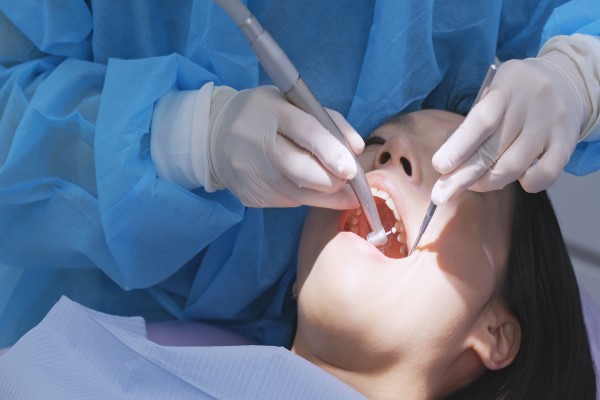
Visiting a general dentist for routine cleanings is essential for preventing common dental problems such as tooth decay or gum disease. While brushing and flossing every day can help remove a majority of bacteria and plaque from the teeth, it is impossible to completely remove all buildup. Frequently scheduling dental cleanings makes it possible to address tartar buildup before it causes damage, and it gives the dentist an opportunity to examine the mouth for any issues that need to be addressed.
Scheduling routine cleanings with a general dentist
How often a patient should visit a dentist for a dental cleaning depends on the condition of the patient’s mouth and the presence of any bad oral habits, such as smoking or teeth grinding. In general, the average patient with healthy gums should schedule a cleaning at least twice a year.
An easy way to create a habit of maintaining a strict cleaning schedule is to set an appointment for six months in the future after every visit. For patients who smoke, suffer from diabetes, or have a history of periodontal disease, the dentist may recommend more frequent visits as a preventative measure. As certain conditions increase the risk of gum disease, these cleanings help prevent it from occurring or keep it from progressing to the more advanced stages.
Knowing what to expect during a cleaning
For some patients, dental phobia or general anxiety about visiting the dentist can keep them from making a cleaning appointment. Knowing what to expect during a cleaning can help ease these anxieties.
Dental cleaning tools
There are several basic tools dentists and hygienists use to clean and examine the mouth:
- Dental mirror: A handheld mirror is used to help the dentist view hard-to-reach places from many different angles.
- Scaler: Scalers are instruments with hooked ends used to scrape away calculus on the teeth, especially above the gum line
- Explorers and probes: Similar in appearance to scalers, explorers and probes are used to look for cavities and measure gum recession.
- Suction devices: A low-suction saliva ejector is used to remove excess saliva and water during the cleaning process.
- Air and water syringe: Using a handle on a long, thin nozzle, the syringe is used to spray a stream of water onto debris in the mouth or to blow air on teeth to quickly dry them.
- Polisher with prophy cup: A special paste is applied to a rotating dental polisher with an attached prophy cup to polish each individual tooth.
Pain and bleeding
It is not uncommon for patients to experience some level of bleeding after a cleaning, especially if the patient does not frequently floss or there is a lot of buildup on the teeth. Cleanings by a general dentist can cause gum sensitivity that lasts for a couple of days following the appointment. While having teeth cleaned should not cause excessive pain, trauma to the mouth, decay or jaw disorders can make patients uncomfortable during the process.
Appointments for children
Parents who have a baby or toddler may be wondering when children should start going to the dentist and what the visits will entail. Most dentists recommend children have their first appointment once they start getting teeth, and this may range from eight to 12 months. Even if a child has no teeth by one years old, it is still a good idea to schedule an appointment to check their gums and make sure everything is progressing normally.
For many young children, the initial appointment is designed to introduce them to the office, show them the chair and varying tools, and get them used to the routine. The subsequent visits will include the regular professional cleaning and exam.
Dental exam
During the visit for teeth cleaning, the dentist will also conduct a thorough exam of the teeth, gums, and other soft tissues of the mouth. This includes checking for early signs of decay, gum disease, and oral cancer. About once a year, the dentist takes X-rays of the teeth to see underlying structures that are not visible otherwise. If the dentist detects any potential issues, he or she will discuss potential treatments with the patient.
Conclusion
Visiting a general dentist at least twice a year can limit the amount of dental work a patient needs by preventing dental decay and gum disease from progressing. If it has been a while since you have visited the dentist, make an appointment right away to ensure no problems have developed.
Request an appointment here: https://coconutgrovesmile.com or call Smile at Coconut Grove at (305) 423-4661 for an appointment in our Coconut Grove office.
Check out what others are saying about our dental services on Yelp: General Dentist in Coconut Grove, FL.
Related Posts
Finding out that you need a root canal does not have to be terrible news. In truth, tales of discomfort from root canals are highly exaggerated. Many find them no more uncomfortable than having a cavity filled. Preparation can also make the whole procedure (and recovery process) go more smoothly. Check out our tips to…
We understand the importance of having relevant information when you are deciding if dentures are the right teeth replacement solution for you. This knowledge will enable you to make a well-informed and confident decision, as you will understand exactly what dentures are and how they compare to alternative solutions. In this review, we discuss several…
Teeth whitening treatments are a great way to enhance the appearance of your smile and increase your confidence. These treatments involve using peroxide-based bleaching agents to remove stains from teeth surfaces and deep within them.Also known as teeth bleaching, teeth whitening treatments can whiten teeth by up to eight shades during a single session. In-office…
When you have severe tooth decay, you should seek treatment immediately. The most common treatment method for tooth decay is a dental filling. Dental fillings restore the affected tooth to its normal shape and function and preserve its structure. The following blog explores the different types of dental fillings and how to ask a dentist…