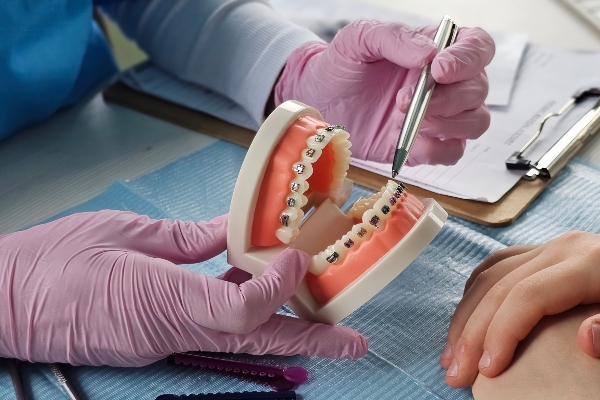
As a consistent dental provider, a family dentist can monitor a child's oral development as they get older. By closely observing their growth and alignment, the dentist can determine whether the child needs braces to correct dental concerns in their early stages. This proactive treatment helps prevent long-term issues and supports a healthy, confident smile.
Monitoring dental development
Once a child's first tooth emerges, the family dentist will begin to assess their dental alignment. Regular examinations allow the dentist to track how their teeth grow and shift over time. During these visits, the dentist will evaluate whether the young patient's primary teeth are falling out on schedule and their permanent teeth are erupting correctly. However, delays in tooth loss or eruption may indicate crowding or spacing issues. In these cases, the young patient may benefit from orthodontic treatment.
Identifying early warning signs of orthodontic issues
A family dentist can recognize early indications that there is a presence of orthodontic issues and a child may need braces i. Common signs include:
- Crowded or overlapping teeth
- Gaps between teeth
- Difficulty biting or chewing
- Speech difficulties
- Mouth breathing or frequent thumb-sucking
- Teeth clenching or grinding
- Jaw shifting or clicking sounds
By identifying these concerns during routine check-ups as the child gets older, the dentist can advise on the most effective timing for an orthodontic evaluation. An early diagnosis enables more effective treatment planning, often resulting in better treatment outcomes.
Use diagnostic tools
In addition to visual assessments, the family dentist uses diagnostic tools to gather detailed information about the child's dental alignment. For example, digital X-rays provide clear images of tooth roots and the development of the jawbone. These images help reveal impacted teeth or underlying structural issues that may not be visible during an examination.
Dental impressions or digital scans may also be used to create a precise model of the child's bite. This model assesses how the child's upper and lower teeth align and whether they may benefit from future orthodontic treatment, such as braces.
Coordinating care with an orthodontist
If a family dentist determines that a child shows signs of misalignment or bite problems, they will typically refer them to an orthodontist. The orthodontist will conduct a comprehensive evaluation and develop a personalized treatment plan for early orthodontic care. However, the family dentist remains an important partner in the child's dental treatment.
The family dentist will continue to monitor the child's oral health before, during, and after orthodontic care. Routine dental visits help ensure that the child's teeth and gums stay healthy while they are wearing braces. The dentist will also provide guidance on proper cleaning techniques. They will monitor for any oral health issues that may arise throughout treatment.
Schedule a consultation with our family dentist
Does your child need an initial orthodontic evaluation to determine if they may need braces? The Smile at Coconut Grove team is here to help. Call our Coconut Grove office to learn more about our services or to schedule a consultation.
Request an appointment or call Smile at Coconut Grove at 305-423-4661 for an appointment in our Coconut Grove office.
Related Posts
Choosing a family dentist versus a general dentist is an important decision that impacts the long-term oral health, convenience, and the overall comfort of every household member. While both types of dental professionals undergo rigorous training and provide restorative services, there are key differences. Selecting the appropriate practice requires an understanding of how family dentists…
A family dentist plays a key role in helping individuals of all ages maintain strong, healthy smiles. Routine visits, preventive care, and personalized guidance all contribute to maintaining long-term oral health. While regular dental appointments are important, consistent habits at home also make a significant difference. These five oral health tips from a family dentist…
Choosing a family dentist can offer numerous benefits for households with members of different age groups. These dental professionals provide comprehensive dental care for children, adolescents, adults, and seniors. They offer a variety of services that ensure convenience, consistency, and high-quality treatment throughout every stage of life.A family dentist can address a wide range of…